Rome began with a man murdering his brother.
What followed was a thousand years of kings, wars, revolutions, and an empire that may have never really fallen. Rome produced some of the greatest history and literature ever written, and a civilization that still shapes how we think about power, freedom, and the fate of nations.
But how much of what we “know” about Rome is actually true?
Nearly every account of Rome reaches us through someone with a particular point of view. Some were historians writing centuries after the events they described. Some were politicians savaging their rivals. And many were scribes copying texts by hand for generations. Sorting fact from legend takes a different kind of reading.
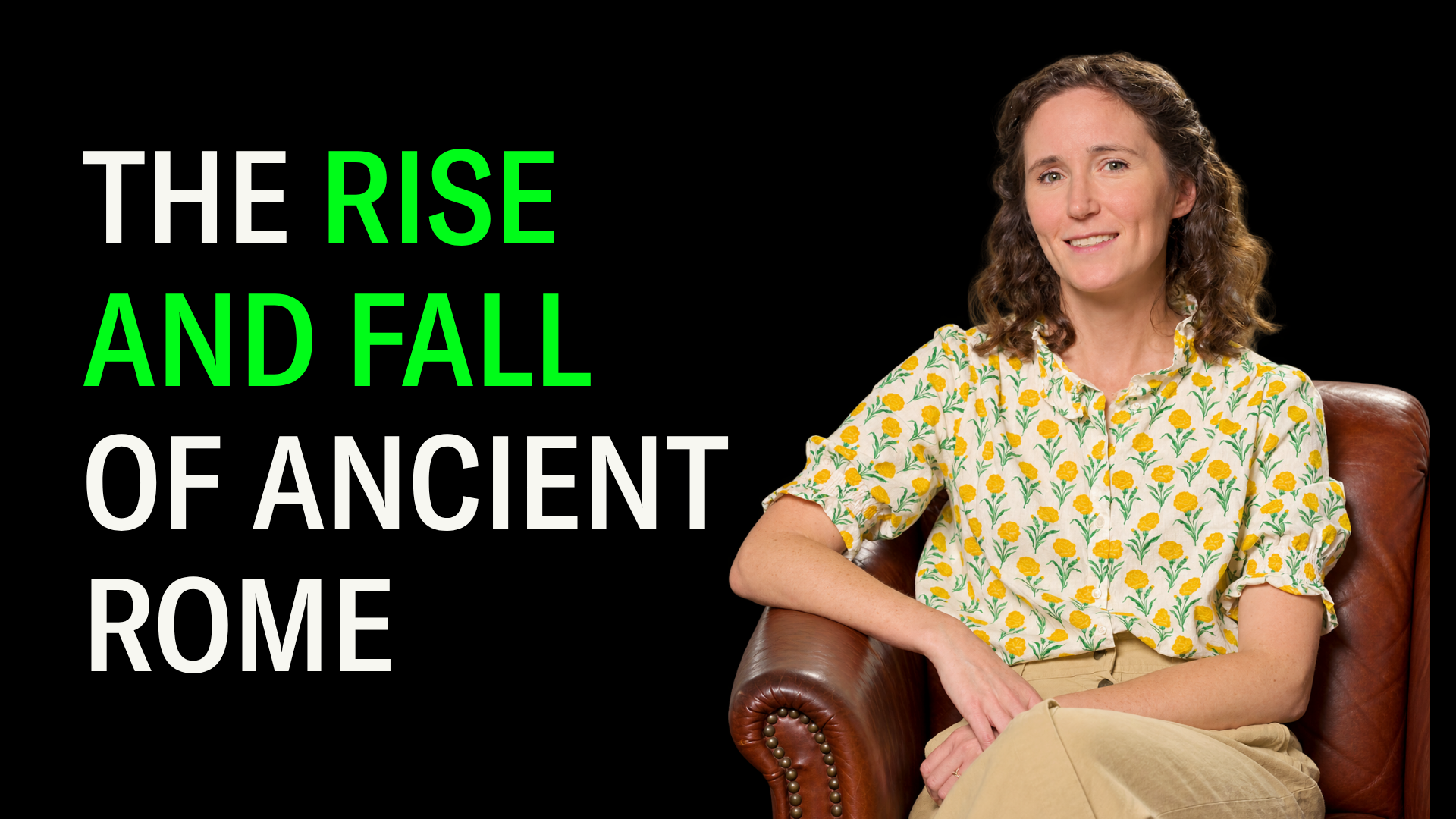
That’s what University of Austin Professor Isabella Reinhardt teaches.

The questions this course confronts:
How do we know what really happened?
Why study Rome?
Can a myth tell the truth?
What holds a republic together, and what breaks it apart?
Did Rome ever really fall?
Inside the free course, you will find:
A fast-paced history of Rome
From the city’s legendary founding to the third-century crisis
Vivid analyses of ancient sources
Livy, Sallust, Tacitus, Julius Caesar, Plautus, Cicero, Virgil, Plutarch, Pliny and more
A better way to read evidence
How to weigh what a source can and can’t tell you, a skill as useful for today’s headlines as for ancient history
Rome as a mirror
What the rise and fall of the ancient world’s greatest power might reveal about our own nation
A free companion handbook
Follow along with essential timelines, events, personalities, and readings, yours to download when you sign up
Whether you’re a lifelong student of history or just someone who refuses to take any story at face value, this course will change the way you read the past and present.
Get your access to Rise and Fall of Ancient Rome, plus the companion handbook, using the form below.